In today’s digital world, having an online presence is no longer optional for small businesses. Many business owners still do not understand how to use the internet to grow, but with the right SEO strategy, even a small business can reach a large audience and increase its revenue.
This guide will help you understand how to grow your business online using SEO, even if you are a complete beginner.
What is SEO
SEO (Search Engine Optimization) is the process of improving your website so that it ranks higher on search engines like Google. When your website appears on the first page of search results, more people can find your business.

Why SEO is Important for Small Businesses
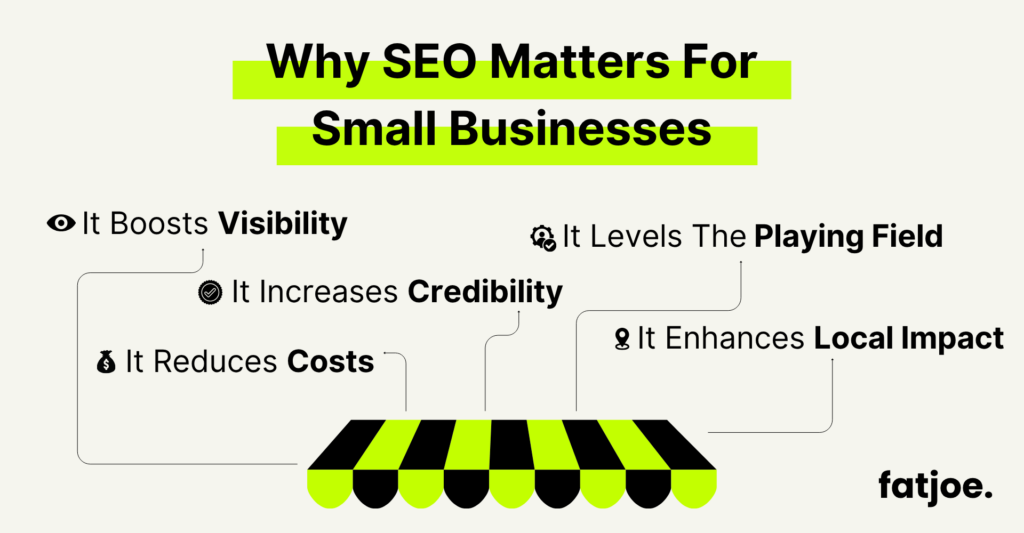
SEO provides long-term benefits for small businesses. It helps in getting free traffic, building trust, increasing visibility, and generating consistent leads without spending heavily on ads.
Step 1: Create a Professional Website
A website is the foundation of your online presence. Your website should include important pages like Home, About, Services, Blog, and Contact. A clean and professional design helps build trust with your visitors.
Step 2: Do Keyword Research
Keyword research helps you understand what your potential customers are searching for online. Using the right keywords in your content improves your chances of ranking on Google.
Examples of keywords:
SEO for small business
online business growth
digital marketing services
website development India
Step 3: Optimize On-Page SEO
On-page SEO ensures that your website is properly structured for search engines. You should optimize your page titles, meta descriptions, headings, images, and URLs.
Step 4: Start Content Marketing
Content is one of the most powerful ways to grow online. Writing blog posts regularly helps your website rank for multiple keywords and attract more visitors.
Write helpful content such as guides, tips, and solutions to common problems.
Step 5: Use Internal Linking
Internal linking helps connect your website pages. For example, you can link your blog posts to your services page and contact page. This improves both user experience and SEO.
Step 6: Add External Links
Linking to trusted websites increases your credibility. It also helps search engines understand your content better.
Step 7: Set Up Google Business Profile
If you have a local business, setting up your Google Business Profile helps you appear in local searches and Google Maps. This increases your chances of getting nearby customers.
Step 8: Make Your Website Mobile-Friendly
Most users browse from mobile devices, so your website must be responsive and load properly on all screen sizes.
Step 9: Improve Website Speed
A fast-loading website improves user experience and SEO ranking. You can use tools like Google PageSpeed Insights to check your website speed.
Step 10: Build Backlinks
Backlinks are links from other websites to your site. They help improve your website’s authority and ranking on search engines.
Conclusion
SEO is one of the most effective ways for small businesses to grow online. By creating a website, using the right keywords, publishing quality content, and staying consistent, you can build a strong online presence and attract more customers.
Call to Action
If you are serious about your business and want to build a professional website or improve your online presence, feel free to contact us.